
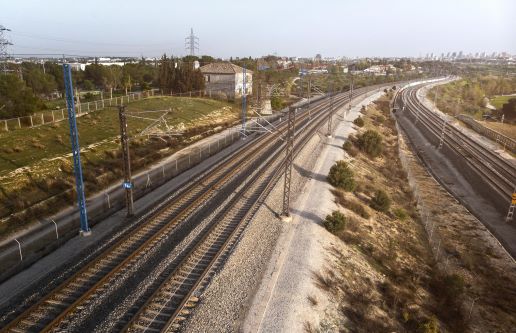
Rail reform gains momentum: Transnet onboards 11 private operators to national grid
In what is being hailed as a pivotal shift for South African logistics, the Transnet Rail Infrastructure Manager (TRIM) has successfully concluded Rail Access Agreements (RAAs) with 11 private Train Operating Companies (TOCs). This move effectively ends the era of a single-operator network and marks a decisive step toward unlocking the country’s stalled economic potential.
The diversification of the rail network – moving from one active operator to twelve – is more than a procedural milestone; it is the cornerstone of a “functional and competitive rail marketplace” that the South African economy has long demanded.
Unlocking Capacity and Diversification
The onboarding of these new players is expected to inject an immediate 24 million tonnes (Mt) of additional freight capacity into the national network. With the right support, this is projected to scale to 52Mt over the next five years, serving as a primary engine to drive national rail volumes from current levels toward the ambitious target of 250Mt by 2030.
The 11 new operators represent a broad spectrum of the economy, including:
- Commodity Giants: Focused on coal and manganese.
- Logistics Leaders: Specialising in containers, fuel, and general freight.
- Strategic Names: The list includes ARC South Africa, MSC, Grindrod, Menar, and Motheo Logistics, among others.
By spreading these operators across five strategic corridors, TRIM is facilitating a more resilient and versatile supply chain that reduces the country’s over-reliance on a single state entity for freight movement.
The “Game-Changer”: Ad Hoc Slot Allocation
A significant technical breakthrough in this reform is the introduction of the Ad Hoc Slot application process. This rules-based mechanism allows TRIM to allocate rail capacity rapidly outside the rigid annual cycle, enabling operators to react to real-time market demands.
A primary example of this agility is the proposed short-haul service between Cato Ridge and Durban. Set to commence in May 2026, this initiative is specifically designed to alleviate the chronic road congestion currently strangling the Durban port precinct – a move that will be welcomed by exporters and commuters alike.
The Road to Operational Readiness
While the agreements are signed, the focus now shifts to implementation. TRIM is currently engaging with the TOCs to ensure operational readiness, with some operators aiming to have wheels on tracks before the end of 2026, and the remainder expected to be fully operational during 2027.
Crucially, the collaborative nature of these engagements has focused on making these rail projects “bankable.” By incorporating feedback from both operators and financial institutions, Transnet is creating an environment where private capital can flow into rail infrastructure with greater confidence.
The SA Trade Desk View: A Positive Leap Forward
For the South African trade ecosystem, this is a profound win. The historic bottleneck of a state-monopoly rail system has been a primary drag on GDP growth and export competitiveness. By inviting private participation, South Africa is finally beginning to treat its rail network as a national asset that belongs to the economy, rather than a closed-loop utility.
Addressing rail reform is not just about moving cargo; it is about lowering the cost of doing business and restoring South Africa’s reputation as a reliable global trade partner. As Moshe Motlohi, TRIM Chief Executive, aptly put it: “We have moved from policy design to practical implementation.”
The signals are clear: South Africa’s rail tracks are finally opening for business.