
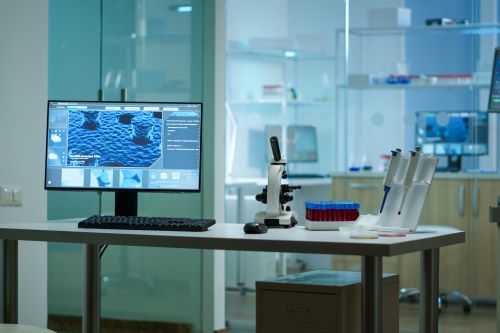
WHO names CSIR as its African bio-manufacturing training hub
The World Health Organizsation (WHO) has officially designated the CSIR as the regional training centre for biomanufacturing for the African Region during a meeting at its Geneva headquarters in June 2026.
“This global programme focuses on biomanufacturing workforce development and training, with goals that are aligned to the CSIR’s commitment to strengthening local manufacturing of vaccines, biologics and therapeutics across the African continent,” says CSIR chief researcher Dr Santosh Ramchuran.
Ramchuran, who has been leading the Biomanufacturing Workforce Training and Skills Development Programme at the CSIR for several years, says the designation by the WHO now brings existing localisation efforts to the global stage.
“What began as a single course offering in bioprocessing technology at the CSIR has grown exponentially,” he says. “It all stemmed from the Covid-19 pandemic, when Africa was last in line for vaccines. That stimulated this realisation that we need to have local manufacturing and capabilities in the country and on the continent.”
Over the past three years, the CSIR has trained 226 researchers, scientists, engineers and regulators across Africa to help build local capacity for the manufacturing of biologics, vaccines, recombinant proteins and therapeutics. Theoretical learning is combined with practical, hands-on training that prepares graduates and industry professionals for the demands of modern biomanufacturing.
The CSIR trains researchers, scientists, engineers and regulators across Africa to help build local capacity for the manufacturing of biologics, vaccines, recombinant proteins and therapeutics.
Long-term feedback from participants suggests that the training has a tangible impact in workplaces across the continent. Out of 17 participants randomly surveyed, 16 said the training was helping them in their current jobs. Nearly half rated it as extremely beneficial in building their expertise, while 76% said it had a major or profound impact on their professional development.
Participants also reported benefits for their organisations, including improved skills transfer to colleagues, support in closing audit findings, reduced batch failure rates and guidance on acquiring equipment for cell culture work. One respondent said the training would be essential to the establishment of a good manufacturing practice (GMP)-compliant human vaccine manufacturing plant in their country.
The training was supported by the Gates Foundation and the Deutsche Gesellschaft für Internationale Zusammenarbeit (GIZ) SAVAX programme, in line with the African Union’s target to produce 60% of Africa’s vaccine needs by 2040 by building regional vaccine manufacturing capabilities, securing technology transfers and promoting demand for African-made vaccines.
Ramchuran says the same GIZ funding had also enabled the CSIR, together with the National Bioproducts Institute in South Africa, to secure technology transfer for the local manufacture of monoclonal antibodies aimed at cancer treatment. It further allowed CSIR staff to participate in train-the-trainer programmes abroad.
“Our efforts did not go unnoticed,” says Ramchuran. “Just over a year ago, the CSIR was appointed by the Africa Centres for Disease Control and Prevention as the Southern African Regional Capability and Capacity Development Network.”
This regional network involves partners in South Africa, Zambia, Botswana, Lesotho, Zimbabwe and Namibia. The network is intended to strengthen regional collaboration in biomanufacturing by aligning training priorities, mapping existing capabilities and helping prepare southern Africa to produce essential vaccines, therapeutics and diagnostics.
Ramchuran says the recent designation by the WHO will now support the expansion of the CSIR’s biomanufacturing training hub.
The CSIR and the German Development Bank, KfW, through its EU-KfW Development Cooperation Programme, have since signed a grant agreement to establish the Southern African Biomanufacturing Workforce Training Hub. It will facilitate structured programmes for early, intermediate and advanced levels, accommodating up to 400 candidates a year.
“Biomanufacturing is huge, so the skills can be deployed in various industries across a wide range of industries and roles, including GMP manufacturing, vaccine production, quality control, upstream processing, downstream processing, protein purification; the list is endless,” he says, adding that researchers become equipped to translate laboratory work into commercial products.